

In a country characterized by antiquated systems for regulating how electricity is produced and transported to homes and businesses, one utility in Arizona may be the most outdated. In 1903, almost a decade before Arizona became a state, a group of landowners around Phoenix secured a federal loan for a dam on the Salt River. The dam collected water to irrigate farms and produce hydroelectric power to run irrigation pumps. The landowners created the Salt River Project Association to govern the operation of the dam, and gave each landowner a vote for every acre of land they owned.
The Salt River Project, or SRP, now serves one of the nation’s largest metro areas, not just a swath of farmland. With several hydropower dams and a fleet of power plants, it generates power for more than 2 million customers in the Phoenix area, making it the largest public power utility in the country and one of the few in which customers elect the people who run the utility itself.
Even though Phoenix has transformed from a patch of farmland into a sprawling city, the utility still uses an acreage-based voting system. A person who holds 20 acres gets 20 votes, a person who owns a half-acre lot gets half a vote, and many condo owners get only .01 votes. Renters can’t vote at all. Only individual homeowners and trusts can vote, so a company like Target doesn’t get to vote with the acres of its shopping center. Thousands of ratepayers, then, are excluded from voting. Even taking into consideration the restricted pool of voters, turnout for these elections is usually very low, which further constrains the mandates that board members carry when making decisions about how Salt River generates electricity.
“It’s effectively feudal,” said John Qua, a campaign director at Lead Locally. Qua has been working on clean energy advocacy in the SRP over the past six years, through three election cycles.
That undemocratic governance structure has kept the Salt River association stuck in its opposition to clean energy — despite the association’s location in sunny Arizona, a region that also has the benefit of flat desert expanses with steady winds. The utility relied on fossil fuels for almost two-thirds of its generation in 2024, and its carbon reduction target could allow the utility to burn more fossil fuels in 2035 than it does now.

Next week, though, the balance of power might finally shift. On Tuesday, Salt River ratepayers will elect candidates for half of the utility’s 14 board seats.
In recent years, a new slate of board members who want to boost clean energy have been elected, and with Tuesday’s election, their coalition stands to win a majority if it sweeps its races. Their opponents are part of a coalition of large landowners and business leaders backed by the conservative political group Turning Point USA.
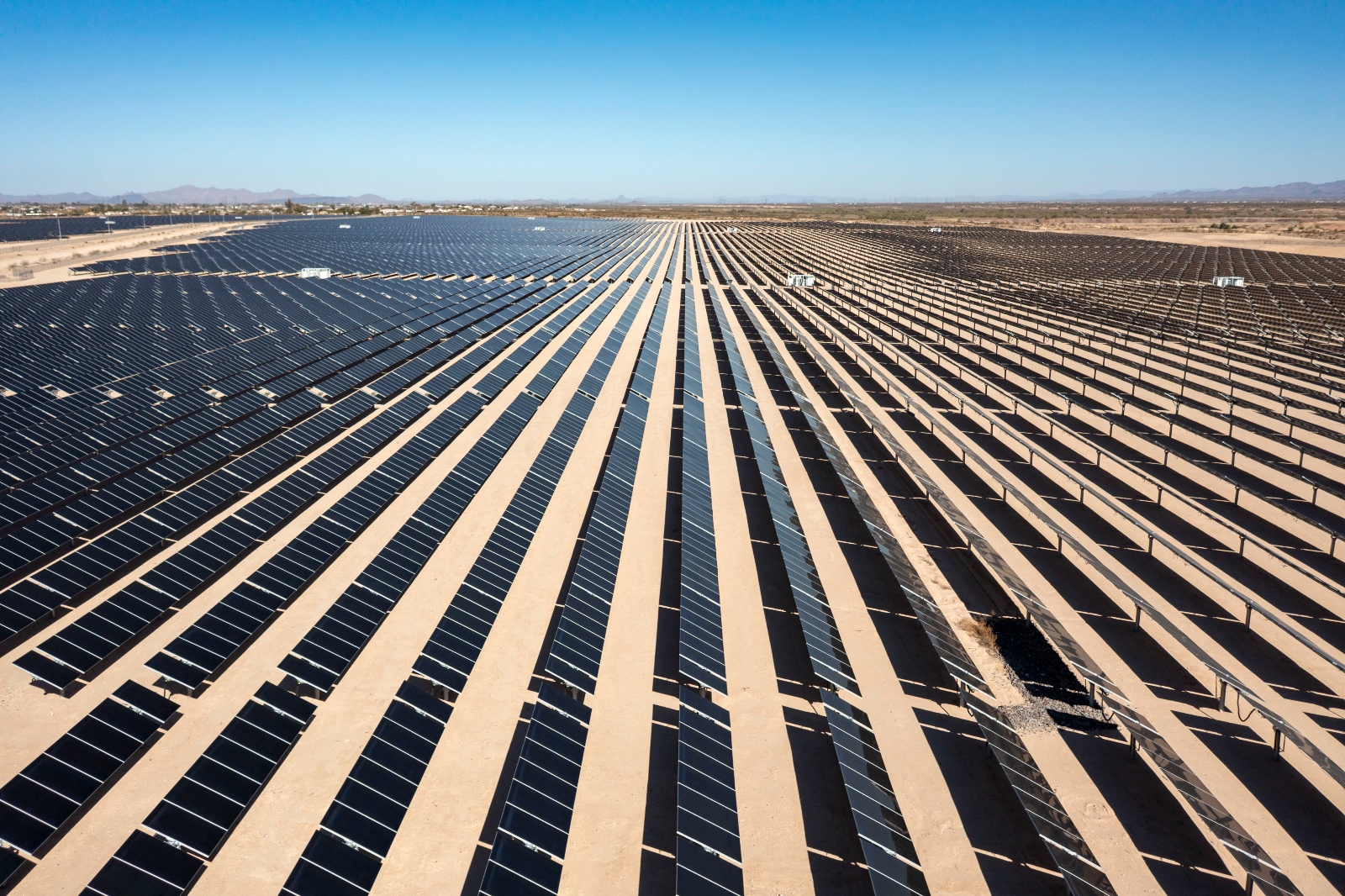
The clean energy advocates say that their presence on the board has already shifted SRP toward solar and distributed energy. The district identified around 2.8 gigawatts of new solar for addition to the grid in 2024, which could power hundreds of thousands of homes. Even under its current plans, solar and renewables will make up 45 percent of its generation within a decade. It has also piloted a number of programs that can make home air-conditioning more efficient and ratchet down demand during peak periods.
The election comes at a pivotal moment: The utility is now facing a huge spike in demand, and the two sides differ on how to meet it. In its latest long-term plan, the utility estimated that peak demand could grow by around 4 percent per year between 2023 and 2035, and that power consumption from large customers like data centers could almost triple over the same period. The adoption of electric vehicles and the sprawl of the Phoenix metro will further stress the grid.
Other big utilities around the country are struggling to meet similar demand growth, and in most cases the utilities are responding by building more natural gas to provide around-the-clock backup power, and extending the lifespans of coal plants. That’s the strategy of the pro-business slate, which argues that shunning fossil energy will lead to high prices or even shortages of energy.
The clean energy advocates, meanwhile, believe that SRP can meet peak demand with renewables. They want to build more batteries that can store solar energy for nighttime use and invest in other carbon-free baseload power such as nuclear reactors. They also want to reduce demand stress by installing rooftop solar panels and making homes more energy-efficient.
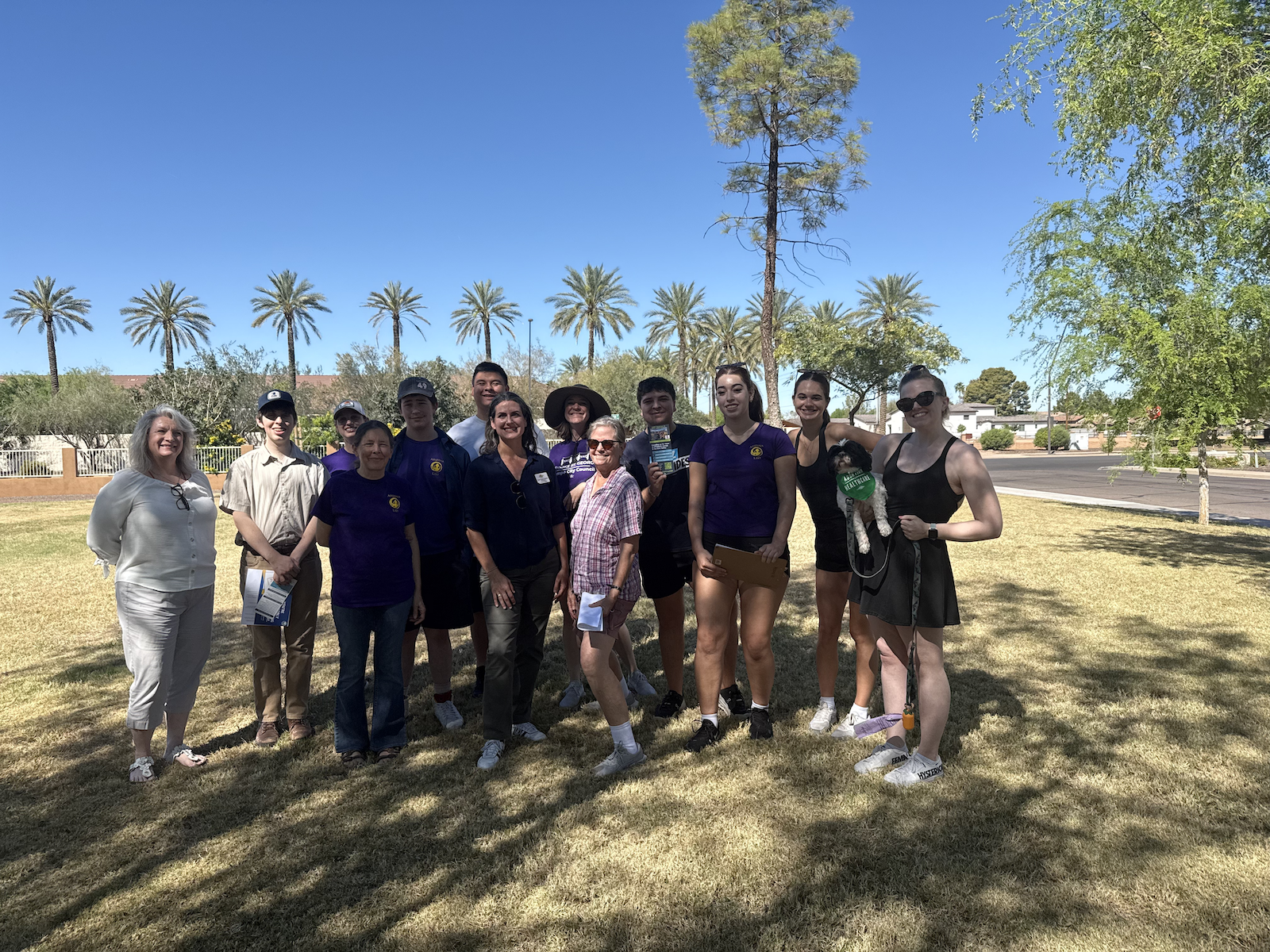
Casey Clowes
Both sides have claimed that the data center boom is proof that their preferred source of energy should dominate.
“A lot of the votes on resources are split, us all on one side and them all on the other,” said Casey Clowes, one of the clean energy advocates on the Salt River Project board, who is now running for vice president. “What’s holding up us being faster and adopting more and just getting more solar online is really that the board controls those decisions.”
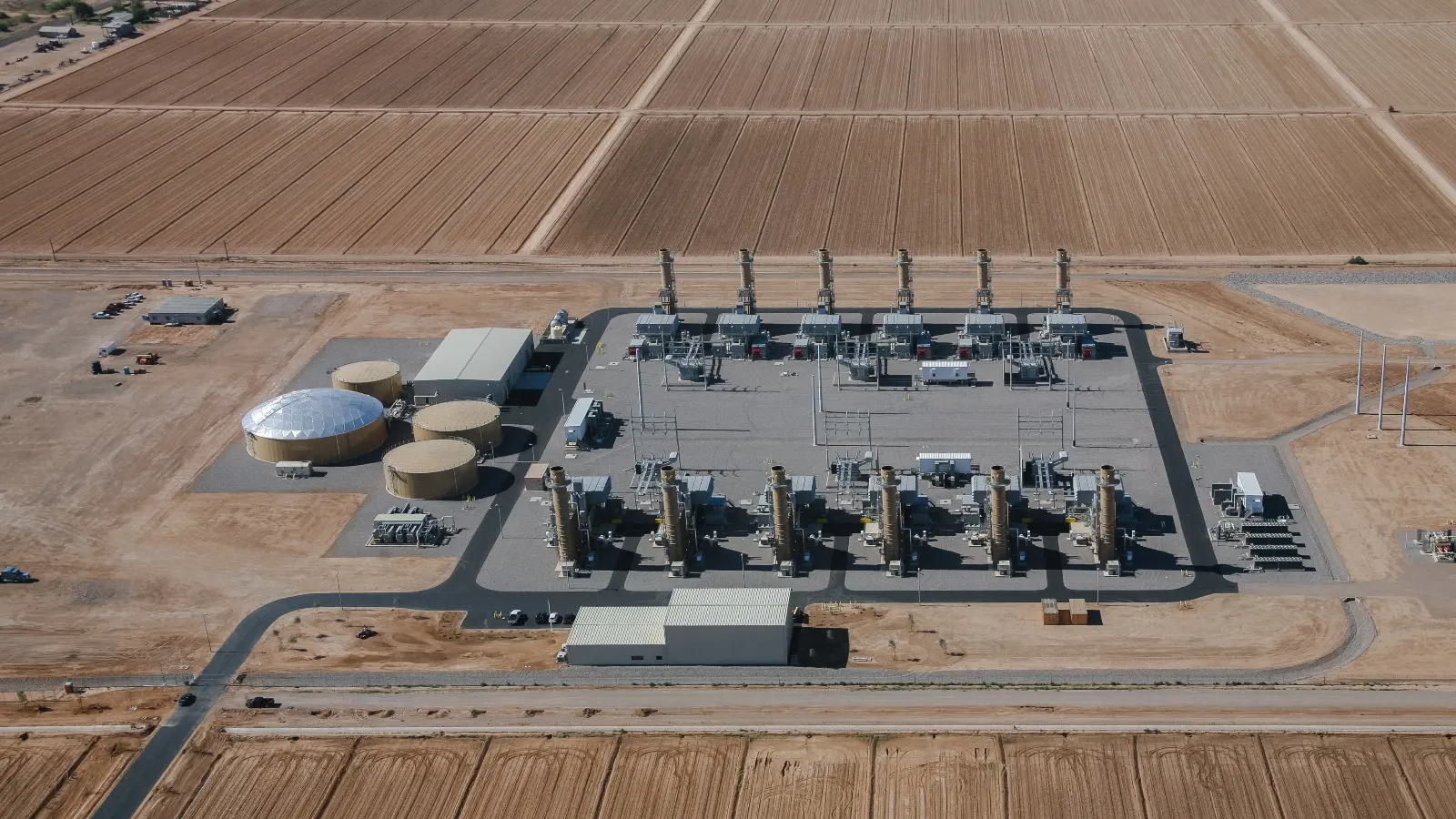
Clowes and her allies believe that the utility’s nine existing gas plants are enough to provide round-the-clock power while the utility builds out more solar, wind, and battery storage. The conservative slate, by contrast, supports SRP’s current plan to convert retiring coal units into gas-fired power plants and to build new gas turbines across the service territory.
“They’re chasing rainbows and unicorns,” said Barry Paceley, a construction business owner and utility council member who is running against Clowes for vice president. “If we’re sitting here static, and said nobody else can move to Arizona, no more businesses come in, no more chips, no more data centers, then maybe. But for the real world, where are you getting the power from?”
The clean energy advocates have an even harder task ahead of them this year thanks to the involvement of Turning Point USA, the conservative political group founded by the late Charlie Kirk, who was a resident of Scottsdale. The group has deployed hundreds of volunteers to turn voters out for the pro-business slate, which has also drawn $500,000 in spending from a pro-business political finance group. Turning Point’s lawn signs are widespread, says Qua of Lead Locally. The clean energy advocates are trying to run a similar ground game, but they expect the pro-business slate to outspend them by a 10-to-1 margin.
Jim West / UCG / Universal Images Group via Getty Images
Turning Point has cast the race as a referendum on “radical change” and says it is opposed to wind and “bad solar,” but its website notes with apparent approval that the Salt River Project “supports clean energy initiatives” and “supports solar and storage.” (Turning Point didn’t respond to interview requests.)
The clean energy slate controls six of the board’s 14 seats, and the establishment controls eight seats, including the presidency and the vice presidency. Clowes and a former state utility regulator named Sandra Kennedy are running for the presidency and the vice presidency; the clean energy coalition is also running candidates in three of the seven district-level elections for the board. They will need to win all three, or flip two and the presidency, in order to take control of the utility.
The areas in question are extremely small, and represent the purplest of Maricopa County’s famously purple suburban landscape. The two seats that are most up in the air are for Districts 4 and 6, which encompass the western side of Phoenix and its immediate suburb Glendale. There are only around 7,000 acres of votable land in District 4, split across around 57,000 landowners. The largest landowners in Salt River’s service area used to own big patches of farmland, but many of them have sold their farms to developers, commercial parks, and even data centers. Because only individuals and trusts can vote, the land sales have shifted voting power toward a larger group of ordinary landowners who own much smaller lots. Even so, the big landowners still have significant sway over election outcomes.
Most of these landowners won’t cast a vote: In a comparable election in District 8 in 2022, the clean energy candidate won by a margin of 248.33 acres to 209.01, meaning that well under 10 percent of eligible voters even showed up to the polls.
Rebecca Egan McCarthy contributed reporting to this story.