

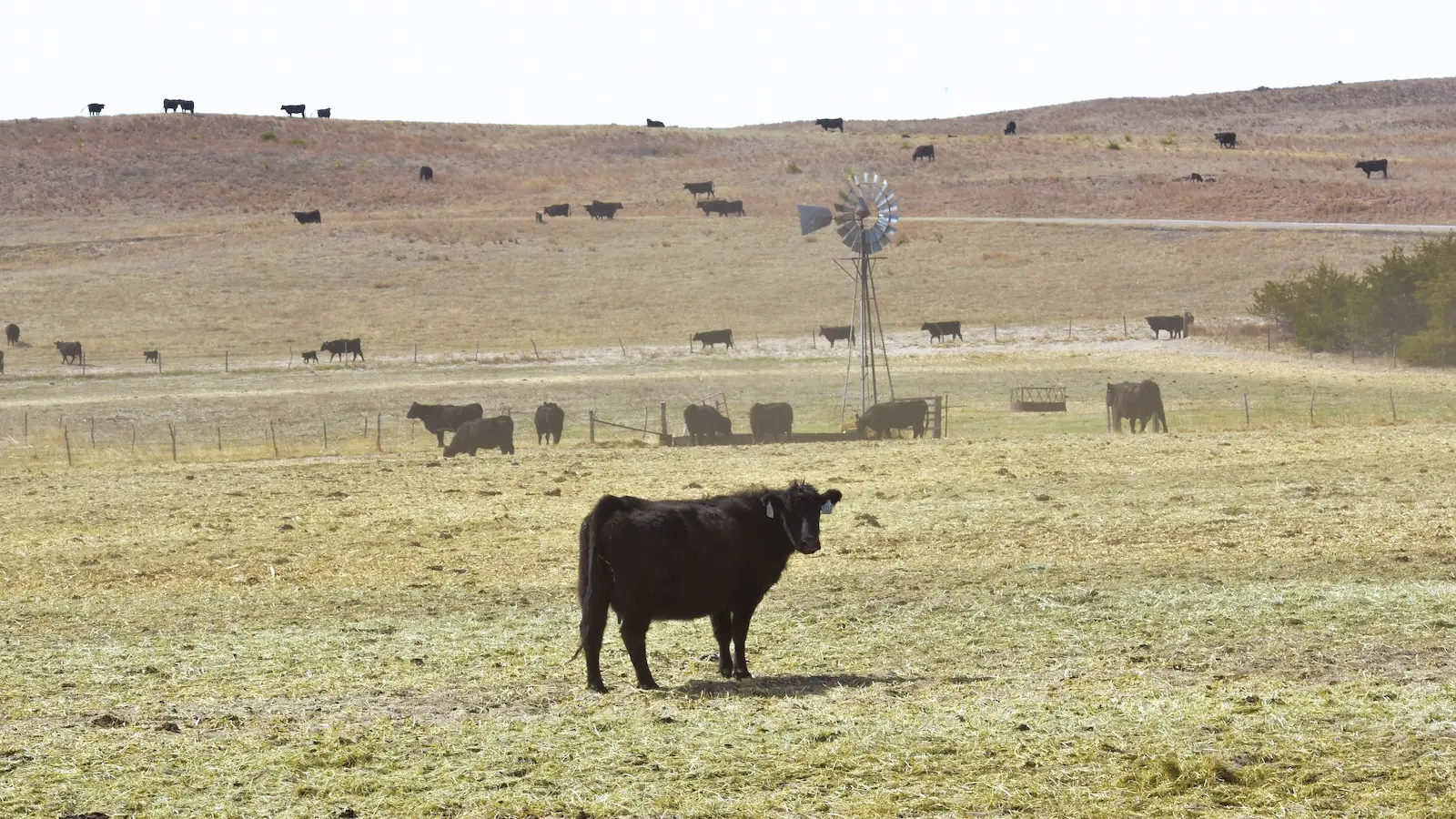
For 21 years, Mike Wintz and his wife, Kayla, have worked to maintain their nearly 11,000-acre ranch near Bingham, Nebraska. The couple took over the cow-calf operations from Kayla’s parents, who had been in the business for over 25 years. In less than six hours, nearly all of that land burned.
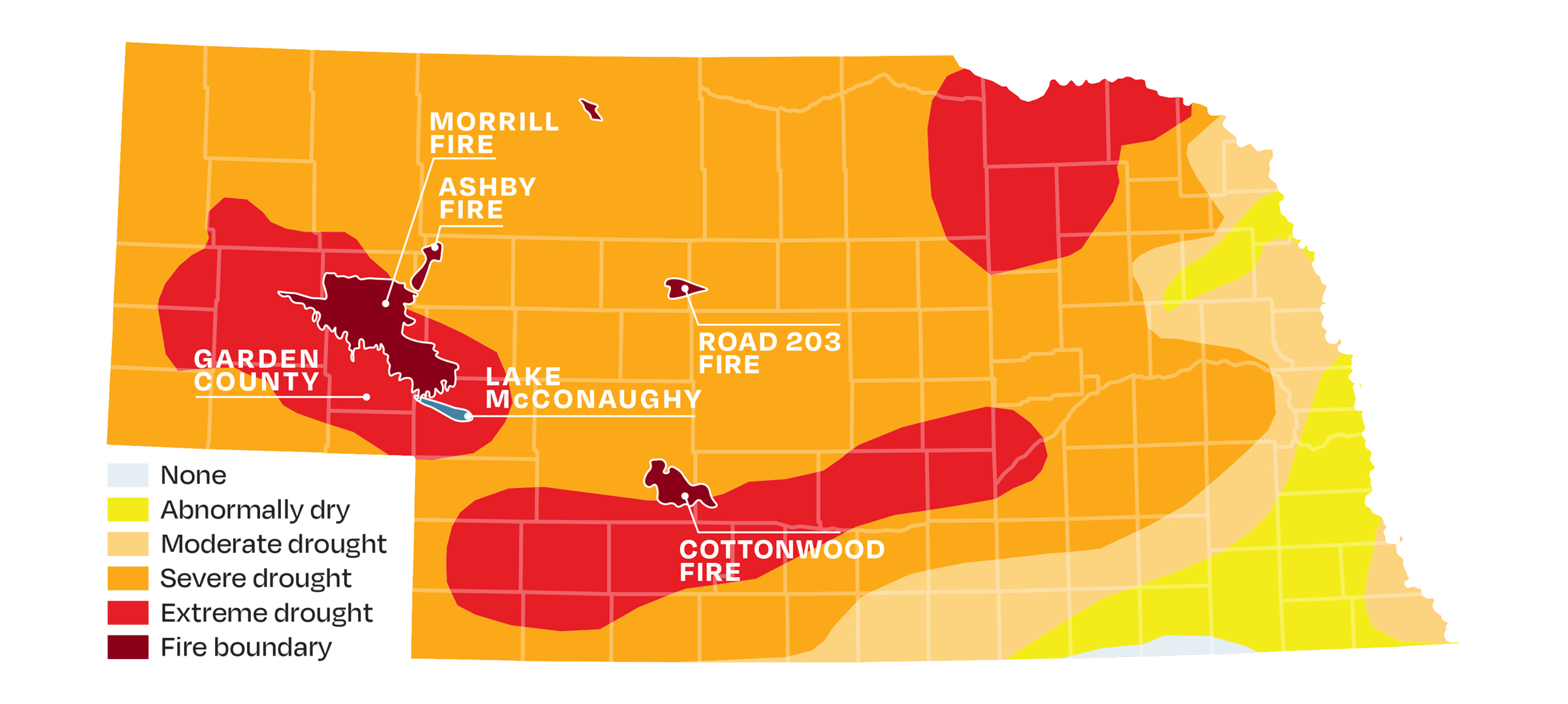
Throughout March, following the second warmest and fourth driest winter for the state on record, western and central Nebraska have been inundated with large wildfires. The Morrill, Cottonwood, Anderson Bridge, and Road 203 wildfires all erupted in central and western Nebraska within a few days of each other. As of March 30, the Nebraska Emergency Management Agency estimated that wildfires have burned about 945,381 acres so far this year. Just over three months in, 2026 has already set a record for most documented acres burned by wildfire in the state, breaking the 2012 record, according to the Nebraska State Climate Office.
About 92 percent of Nebraska’s fire departments are volunteer-based, some of whom include ranchers like Wintz. Mike was nearly 4 miles away from his ranch, in the thick of fighting the Morrill Fire, which was first reported on March 12. As he did, he heard over the radio that the flames were headed for his home.
“I didn’t leave,” Wintz said. “A couple of the other outfits were headed to the house to kind of head it off … I just put my trust in the neighbors and the other firefighters.” The crew was able to stop the wildfire from consuming Wintz’s house — but the threat wasn’t gone.
Hanscom Park Studio
For the Wintz family and other ranchers, the timing couldn’t have been worse — the wildfires hit just as calving season was starting. It’s the one time you don’t want to move cattle around, Wintz said. But the wildfires left them no choice. The stress can take its toll on pregnant cows, and Wintz knew he was going to lose a few calves. Thus far, he has lost six.
In Nebraska, cattle and calves were the state’s most valuable commodity in 2024. The state ranked first in the country for beef and veal exports that year with $1.66 billion, according to the state Department of Agriculture. Most of the corn grown in Nebraska — the state’s second-most valuable commodity — is used as livestock feed.
Nebraska has about 23 million acres of range and pasture land, roughly half of which is located in the Sandhills, where the Wintz ranch is. The area contains the most intact temperate grassland on the planet, said Dirac Twidwell, a rangeland and fire ecologist at the University of Nebraska-Lincoln. Over the last 150 years, as the state built its infrastructure and its ag-based economy, the culture around fire shifted, Twidwell said.
The land is accustomed to both wildfire and prescribed burns by Indigenous groups, going back thousands of years. Fire can promote biodiversity and control invasive plant species like the cedar trees, which fueled at least one of the recent wildfires. While people in some parts of the state continue to conduct prescribed burns, the practice is no longer widespread in Nebraska.
In areas like the Sandhills, the absence of regular fire and how the land is grazed have yielded a more uniform grassland ecosystem rather than what Mitchell Stephenson, rangeland management specialist at the UNL-Extension, calls a “shifting mosaic,” where a variety of plants grow in response to fire and heavy grazing. The buildup of a uniform fuel load, in tandem with this winter’s warm temperatures, low humidity, and high winds, can create ideal conditions for wildfires.
“We’re entering a new kind of wildfire era for this generation than what past generations have experienced, and it’s pretty well established on why,” said Twidwell.
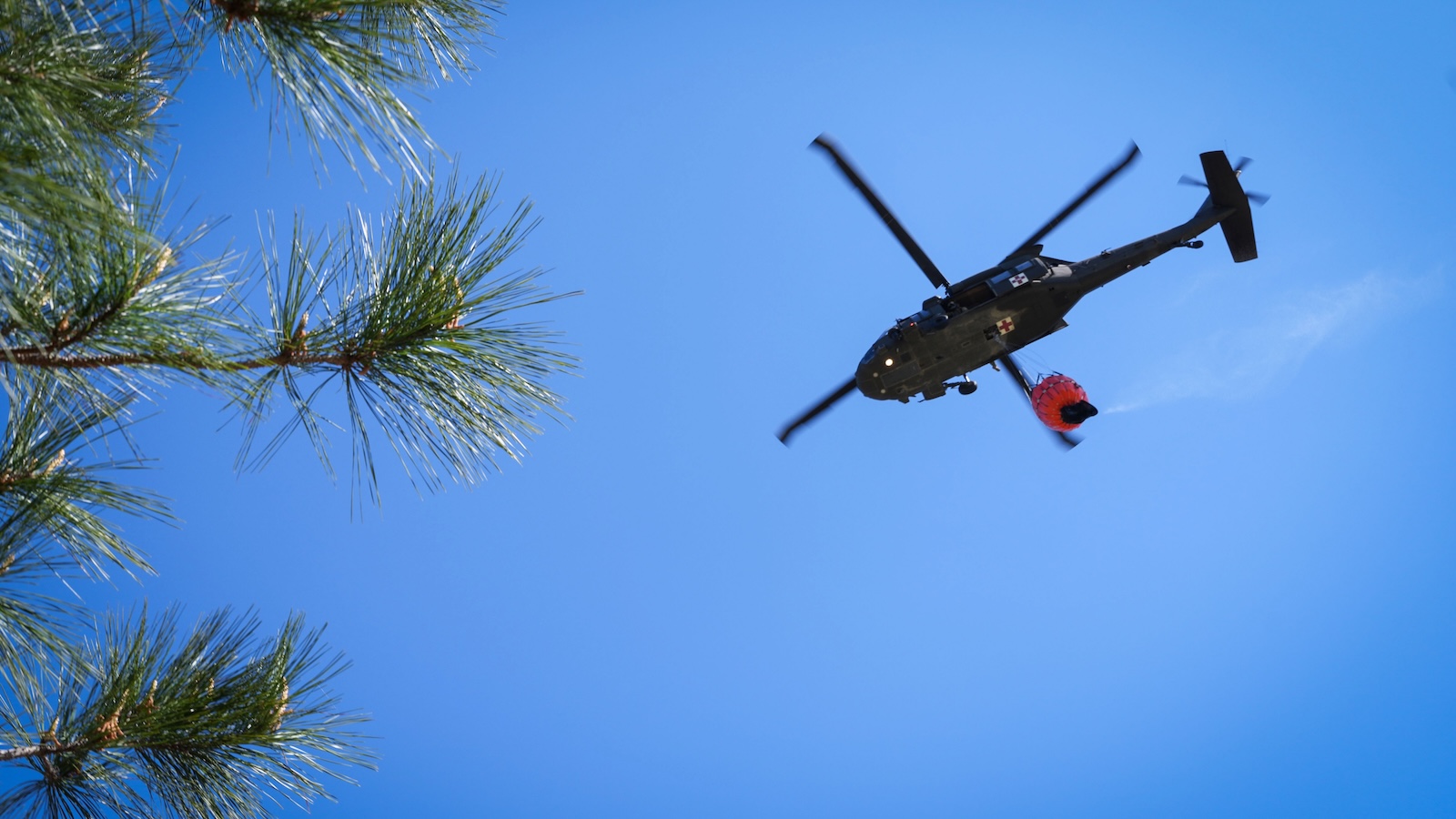
The day after the Wintz home was saved, the winds shifted, and the wildfire approached Wintz’s home again. A crew of firefighters and ranchers soaked the house and buildings with water to prevent any sparks from catching, and the Wintz home was spared a second time.
The Morrill wildfire, the largest documented blaze in state history, took out all of Wintz’s grazing land, about 900 bales of hay, the hair off his bulls, and potentially two of his calves. The flames left his yearlings with singe marks on their backs.
“We would have lost the house … if it wouldn’t have been for them guys,” Wintz said.
The effects of climate change are making the business of ranching more difficult. Rangeland productivity is threatened by the changing temperatures and precipitation trends, according to the 2024 state climate change impact assessment ordered by the Nebraska legislature. In fact, drought has already led ranchers to reduce herd sizes in recent years, which has helped drive up the price of beef, said Elliott Dennis, associate professor of agriculture economics at UNL. Despite the steady consumer demand for beef, the recent wildfires and ongoing drought could compel some ranchers to continue this trend. The whole supply chain will eventually be impacted.
Nebraska’s cattle industry will have to adapt and innovate, Twidwell said. This could include conducting prescribed burns in some areas and making more buildings fire resilient. But these changes will need to be experimented with and proven with producers, Twidwell cautioned. For now, the Wintzes are taking it a day at a time and holding out hope that the rain comes.
“The Sandhills are resilient. The grass is there. It just needs a little bit of moisture to pop up, and they’ll be back,” Wintz said. “It’s just going to be a different year for me: calving different and haying different, summer range different … you gotta let the land come back, I guess. We need the rain.”