

[ad_1]
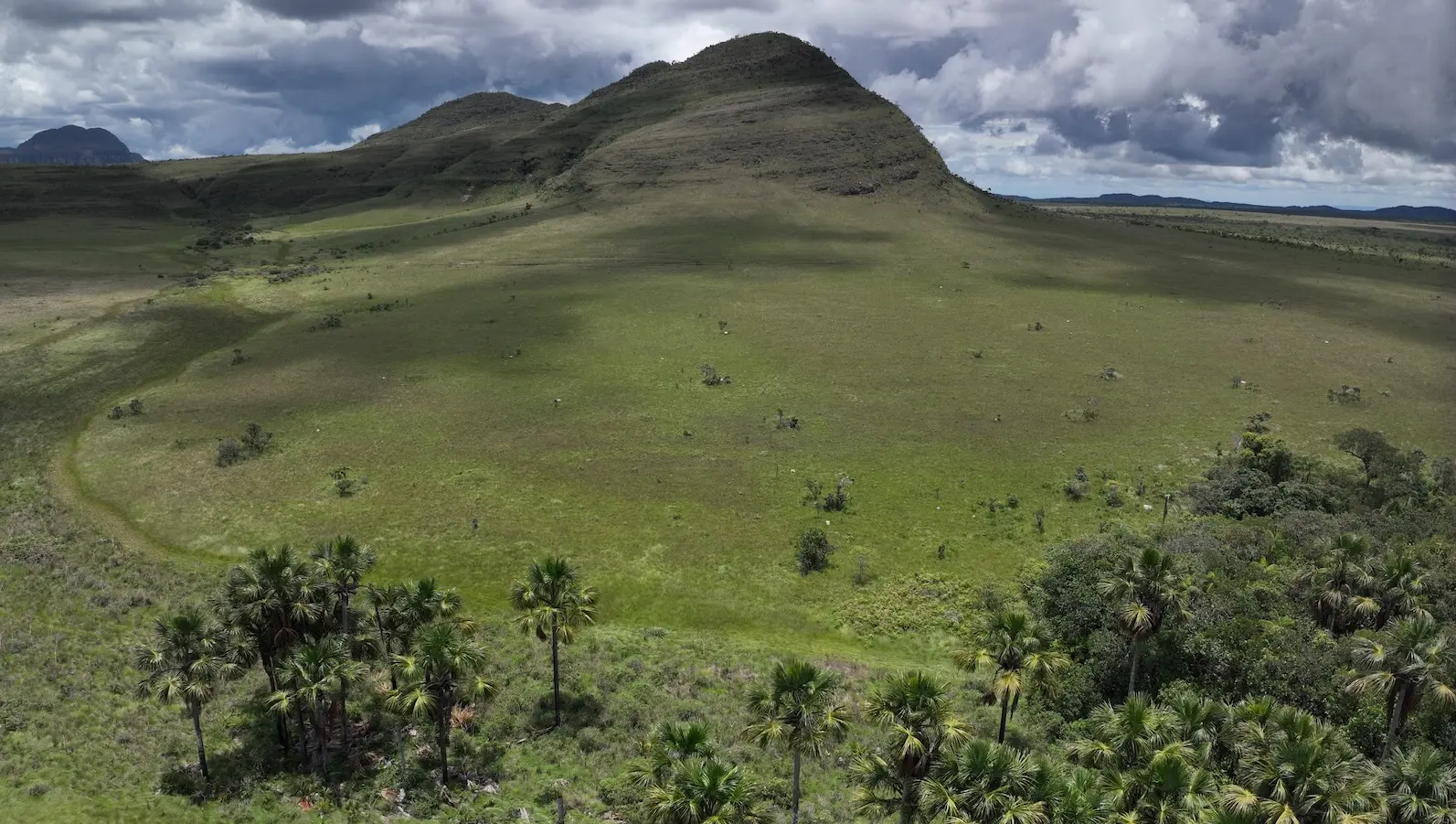
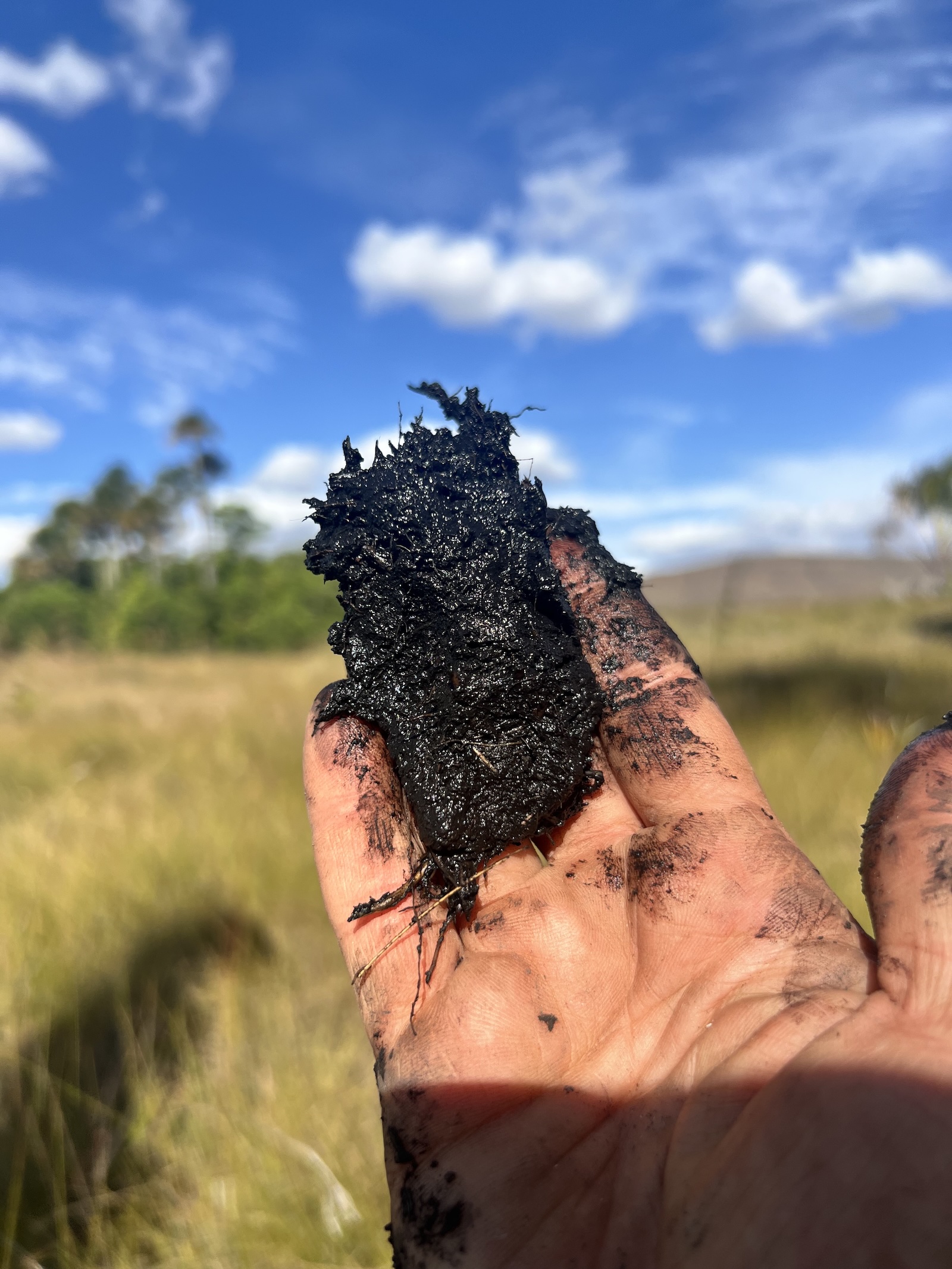
You’ve heard of the Amazon rainforest, but have you heard of its neighbor, the cerrado? It’s a vast savanna — the most biodiverse in the world — of swaying grasses punctuated by trees. But its most remarkable feature, and its climate superpower, is hidden underground within its wetlands: concentrated carbon known as peat.
New research suggests that the cerrado is storing far more carbon than anyone realized — six times more, per hectare, than the Amazon’s biomass, with its dense tangle of trees. But like Brazil’s famous rainforest, the cerrado is in serious trouble, due to climate change and the encroachment of agribusiness. Protecting these peaty ecosystems, then, would be a major win not just for preserving biodiversity, but for keeping planet-warming gases out of the sky. “When you degrade it — one hectare of Amazon and one hectare of wetland in the cerrado — we are losing six times more carbon,” said ecologist Larissa Verona, lead author of a new paper describing the work. (Verona did the research while at the State University of Campinas, but is now at the Cary Institute of Ecosystem Studies.)
Peat needs waterlogged conditions to form. This creates an oxygen-poor environment, checking the growth of the microbes that eat dead plants and release their carbon. Year after year, vegetation — grasses, in the case of the cerrado — piles up and resists decay, creating layers of concentrated carbon. So long as the landscape stays wet, peat can persist. Indeed, in the cerrado, Verona found deposits of that element up to 20,000 years old.
And we’re talking a lot of ancient carbon here: The cerrado is Brazil’s second-biggest biome, after its famous rainforest. Verona’s colleagues counted 50 plant species in one 3-foot-by-3-foot plot. “They’re tiny, so you don’t notice them, like a big Amazon tree, but they’re hugely rich in diversity,” said Amy Zanne, an ecologist at Cary Institute of Ecosystem Studies and co-author of the new paper. “And the animals that they protect are incredible there.”
Rafael Oliveira
But if Brazil gets hot and dry, how has peat survived so long? Up in the Arctic, peat flourishes because of abundant precipitation, which allows water to pool, combined with relatively low temperatures, which reduces evaporation. By contrast, these grassland ecosystems will go four or five months without rainfall during the dry season, when temperatures are far higher than what you’d find in the Arctic.
Like the peat itself, the cerrado’s trick is hidden underground. These landscapes are blessed with wetlands fed by stores of groundwater, which expand in the rainy season and come to the surface in the dry season, keeping the peat moist. (The cerrado contains so much water, in fact, that it’s the source of eight of the 12 major waterways that feed Brazil, including some that flow into the Amazon River.) And because the material is so good at retaining H2O, it creates a sort of self-reinforcing hydration, even when the sun shines and mercury climbs.
So even during the dry season in the cerrado savanna, patches of peatlands persist, thanks to groundwater. “It’s sitting there, causing these saturated conditions with all that organic matter building up,” Zanne said. “You have these wetlands popping up in the middle of these dry lands, so they’re pretty weird.”
Larissa Verona
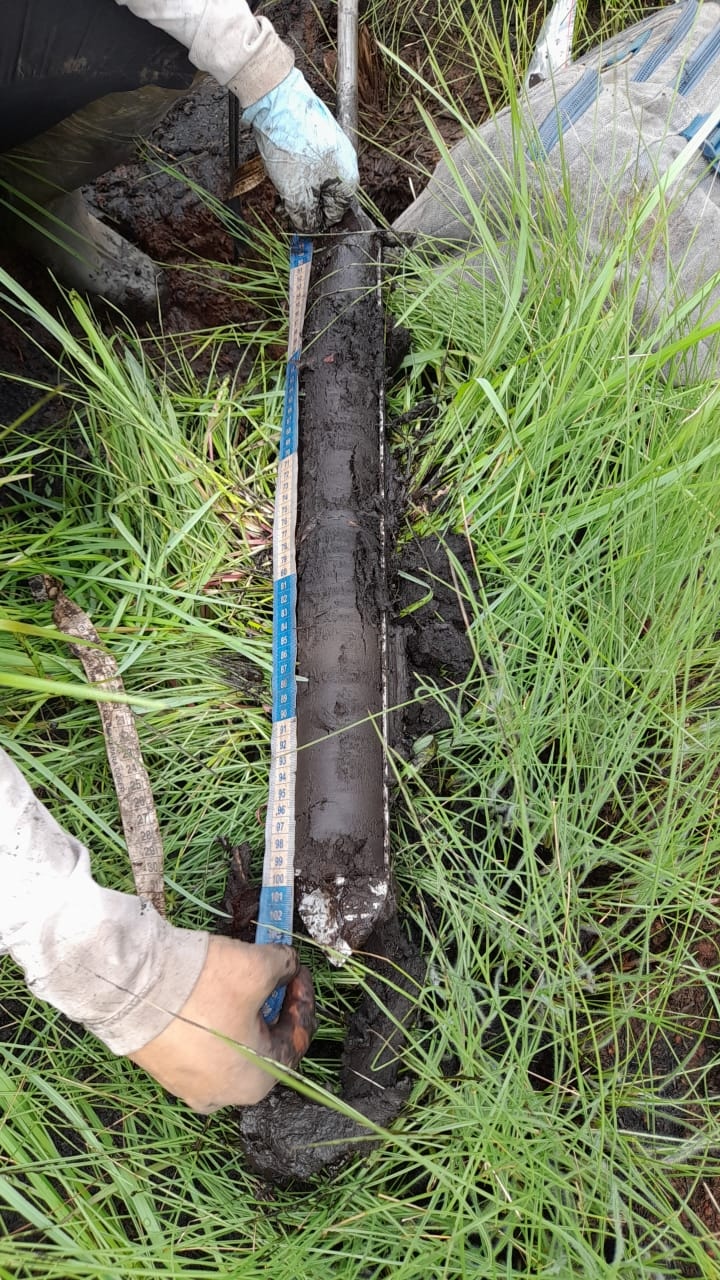
Because peat is stored underground, the researchers couldn’t just scour satellite images to determine where the stuff actually is. Instead, Verona wandered the cerrado taking samples of soil, drilling to depths of 13 feet to pull out cores. The samples indicate that these peatlands store more than 1,300 tons of carbon per hectare.
There’s also the consideration of speed. Trees in the Amazon grow quickly in a race for sunlight: If you’re not fast enough, you’ll get shaded, and grow slowly, if at all. The cerrado’s peatlands, on the other hand, stockpile carbon over millennia. “If you lose this, to accumulate this again will demand thousands of years,” Verona said. “We don’t have thousands of years to accumulate carbon in peat soils.”
That’s what makes the problem of agribusiness so daunting. As Brazil takes steps to protect its rainforests, soy farming operations in particular are moving into the cerrado, which enjoys less stringent legal protection than the Amazon. To hydrate those crops in the dry season, farmers are tapping the groundwater all that peat needs to stay wet. Just keeping people off parts of this savanna, then, isn’t enough. “If you only protect the place, but not protect the water, we are not protecting the carbon,” Verona said.
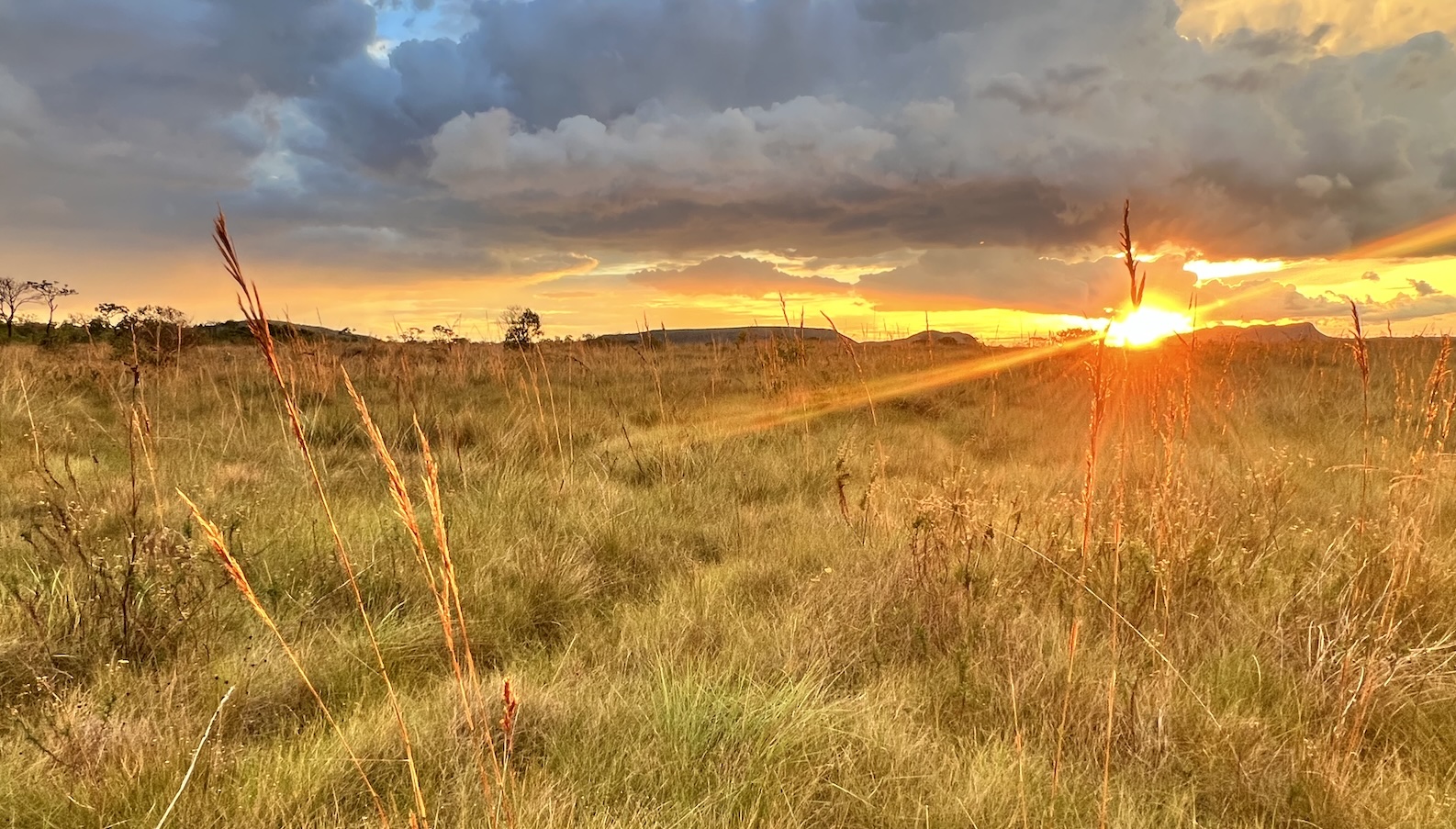
At the same time, the cerrado is getting hotter, and the dry season is getting longer. Combined with the pressures from agribusiness, peat is desiccating and becoming fuel for wildfires. Such fires are a natural component of the landscape, what with all the grass to burn. But historically, a healthy supply of groundwater has kept the peat hydrated, helping it survive the blazes. Now that the peat is drying out, it’s becoming fuel for an especially pernicious kind of wildfire, one that smolders through thousands of years of subterranean carbon. These peat fires can last much longer than forest fires, spewing greenhouse gases — which further warm the planet and the cerrado — and particulate matter that’s terrible for human health. And with more people on the landscape, there are more opportunities for ignition in the dry season, when fires have a lot of grass to chew through.
Now that scientists have a better idea of just how much carbon is stored in the cerrado’s wetlands, it lends still more urgency to protect both the land and its water. “We can restore these ecosystems,” Verona said, “but we can’t restore the lost carbon.”
[ad_2]
Source link